
Concrete That Looks Intentional, Not Neglected
Concrete Staining in Brooksville for patios, driveways, and garage floors showing discoloration or plain gray appearance
Plain concrete develops uneven staining from oil drips, rust marks, and moisture penetration that create a mottled appearance rather than a uniform surface. Decorative concrete staining applies pigmented or reactive coatings to patios, garage floors, walkways, driveways, and interior concrete slabs where the existing gray surface looks unfinished or where stains have created permanent discoloration. Southern Pride Home Solutions repairs concrete cracks before staining to prevent those fissures from becoming more visible after color is applied, addressing both appearance and structural integrity in a single process. Properties in Brooksville use staining for residential garages, covered outdoor living areas, and commercial showroom floors where appearance matters but tile or other coverings are impractical.
Surface preparation involves grinding or acid etching to open the concrete's pores so that stain penetrates rather than sitting on top as a coating that can peel. Proper prep removes surface contaminants, smooths rough spots, and creates the slightly textured profile needed for stain absorption and sealer adhesion.
Request a free consultation to evaluate your concrete condition and review available stain colors and finishes.
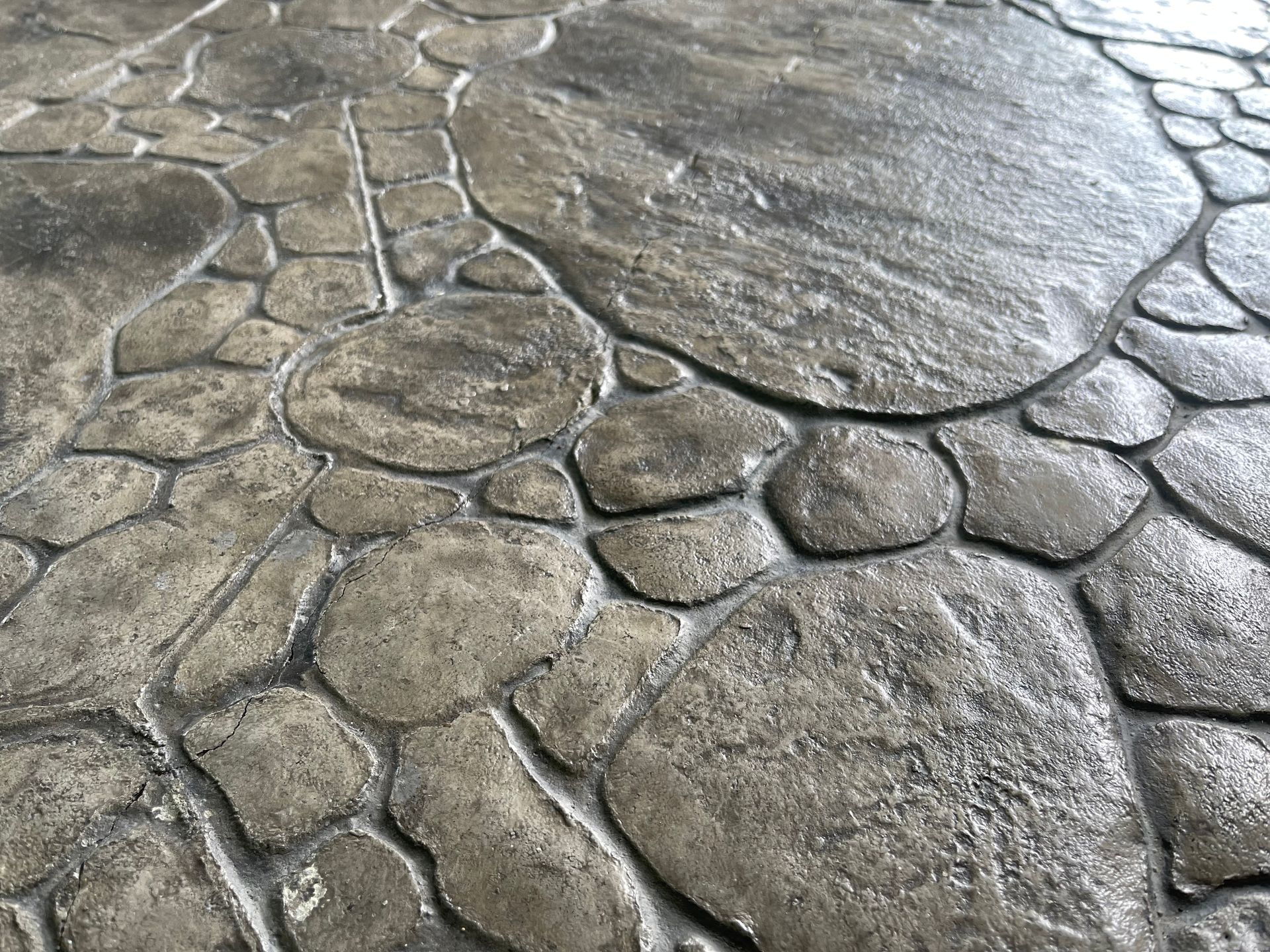
What Happens After Concrete Is Stained
Concrete staining uses either acid-based reactive stains that chemically bond with the concrete to create variegated, natural-looking tones, or water-based stains that offer more uniform color and a wider range of hues including blues, greens, and reds not possible with acid stains. The stain penetrates into the surface rather than forming a film on top, so it does not chip or peel the way paint does when exposed to tire traffic or heavy use. A clear sealer applied after staining protects the color from UV fading, makes the surface easier to clean, and adds a low-sheen or high-gloss finish depending on the look desired.
Once complete, you notice a transformed surface with consistent or artistically varied color that hides old stains and gives the concrete a finished appearance instead of looking like raw utility flooring. The sealed surface sheds water, resists oil penetration better than bare concrete, and can be mopped clean without leaving residue. Stained concrete maintains its appearance for years without the maintenance required by painted floors, though high-traffic areas may need sealer reapplication every two to three years to maintain protection and sheen.
The service works on properly cured concrete at least 28 days old and does not include major structural repairs, leveling sunken slabs, or addressing drainage issues that cause standing water. Concrete with severe spalling, deep cracking, or a failing surface layer may need resurfacing before staining produces acceptable results.
Common Questions About Stained Concrete
Homeowners and business owners considering concrete staining usually ask about durability, color options, and how the process affects existing surfaces.
What is the difference between acid stain and water-based stain?
Acid stains react chemically with minerals in the concrete to create earthy, variegated tones like terra cotta, amber, and blue-green, while water-based stains work more like dyes and offer uniform color in a broader palette including brighter and darker shades.
How long does stained concrete last?
The stain itself is permanent because it penetrates into the concrete rather than coating the surface, but the protective sealer needs reapplication every two to four years depending on traffic levels and exposure to ensure the color remains vibrant and the surface stays protected.
Can concrete staining hide existing cracks and stains?
Staining minimizes the appearance of minor discoloration and can blend old stains into the overall color pattern, but cracks must be repaired first to prevent them from becoming more noticeable once color is applied and to stop them from widening over time.
What surface preparation is required before staining?
The concrete is cleaned thoroughly to remove oils, sealers, and contaminants, then ground or etched to open the pores for stain absorption—surfaces in Brooksville garages that have been exposed to vehicle fluids or previous coatings often need aggressive grinding to achieve proper penetration.
When can stained concrete be used after installation?
Foot traffic is safe once the sealer has cured, typically 24 to 48 hours after application, but heavy loads and vehicle traffic should wait 72 hours to allow the sealer to reach full hardness and prevent marking or scuffing the fresh finish.
Southern Pride Home Solutions evaluates your concrete's current condition and recommends stain types and colors that suit the intended use and aesthetic goals. Call (352) 819-4680 to schedule an on-site review and receive a detailed estimate based on your project specifics.